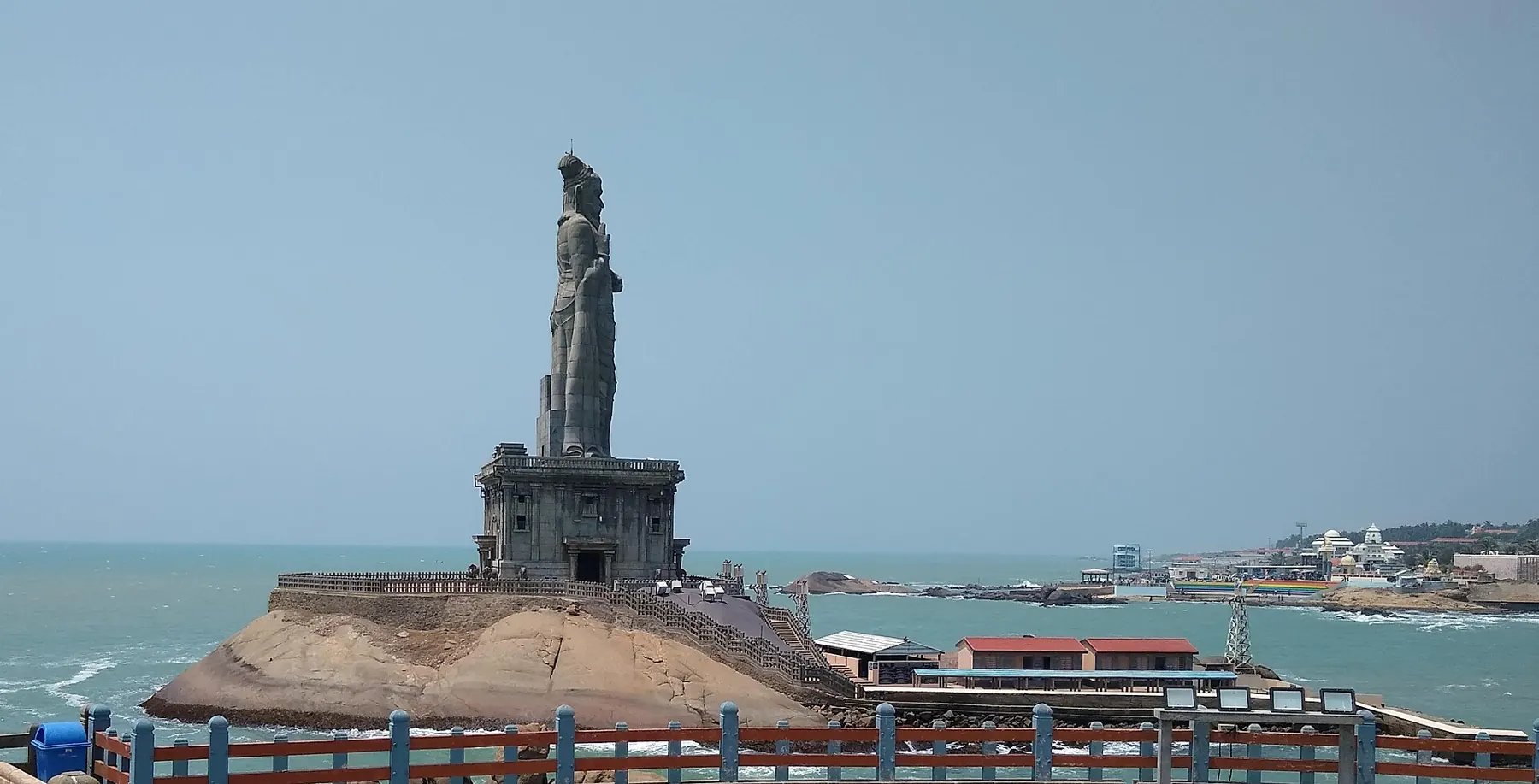
The 133-foot poet on the second rock
The number is not decorative. The statue stands 133 feet tall because the Thirukkural, the work Thiruvalluvar wrote somewhere around two thousand years ago, has 133 chapters. The pedestal is 38 feet for the 38 chapters on virtue, and the figure above it is 95 feet for the 95 chapters on wealth and love. Sculptor V Ganapati Sthapati designed it, around five hundred stonecutters worked on it, and it was unveiled on the last day of 1999. It weighs roughly seven thousand tonnes and it has stood through the 2004 tsunami without damage, which locals mention more often than the poetry.
Practically, it is a thirty-minute stop rather than an hour. You cannot climb inside; the statue is solid stone and the public area is the pedestal terrace at its feet. What you get is the scale of the thing up close, a fine view back at the mainland, and the best angle in Kanyakumari on the Vivekananda Rock Memorial across the water. The same government ferry serves both rocks and since the glass bridge opened you walk between them rather than taking a second boat. Most people underestimate how good the statue looks from the mainland at sunset and overestimate how much there is to do at its base.
Reading the statue
Spend five minutes at the base actually looking and the design stops being a large object and becomes a text. The right hand is raised with three fingers extended, standing for the three sections of the Thirukkural. The pedestal is ringed by ten elephant figures representing the eight directions plus the earth and sky. The figure faces the mainland rather than the sea, which was a deliberate decision: the poet addresses the country, not the ocean. The face was modelled after a long argument about how a man nobody has a portrait of should look, and the compromise is deliberately plain — no crown, no ornament, a simple draped cloth. Tamil visitors often read a couplet aloud at the base, and if you ask a Tamil-speaking driver, most can recite a few from school. Ours can. The whole thing was assembled from stone cut at Ambasamudram and barged across, and the joins are visible if you look at the pedestal edge, which is a reminder that this is masonry rather than casting.
Getting across and the order to do it in
There is no separate ferry for the statue. You buy the return ferry ticket at the shore counter, cross to the Vivekananda Rock, and reach the statue over the Glass Bridge, which costs about ₹40 extra and is bought on the rock. Before the bridge opened in 2024 the boats stopped at both rocks in turn and many people simply skipped the statue; now almost everyone walks over, which has made the second rock busier and the ferry queue longer. The order that works is memorial first, bridge second, statue third, because the statue terrace is the one place out there with almost no shade and you want it later in the day rather than at noon. Coming back, the return boat picks up from the Vivekananda Rock, so you walk the bridge twice. Total time for both rocks and the bridge is a comfortable two hours, three if the queue is bad. Our drivers wait at the jetty end rather than circling, and there is no parking charge to argue about.
Photographing it properly
The honest advice is that the best photographs of this statue are taken from the mainland, not from its own terrace. At the base you are too close and looking up at an unflattering angle. From the shoreline near the Gandhi Mandapam in the hour before sunset, with a long lens or just a steady phone at full zoom, you get the statue and the rock memorial in the same frame with warm light on the stone. From the sunrise deck at dawn you get both in silhouette against the sea, which is the most reproduced image of Kanyakumari for good reason. From the ferry itself, standing at the rear on the right side going out, you get the cleanest side profile of the whole trip — a thirty-second window, so have the phone ready before you board. At night the statue is floodlit and visible from the beach road, and a handheld shot will be noisy but the reflection on the water is worth attempting. On the terrace itself, shoot up along the draped stone rather than trying to fit the whole figure in.
Why the statue was controversial
Worth knowing, because Tamil visitors will refer to it. The plan to put a statue of a Tamil poet beside a national memorial to a Bengali monk was argued over for two decades, and the debate was about language, identity and who gets to speak for the southern tip. Construction was stalled, restarted, litigated and finally completed under a state government that made it a point of pride. The unveiling on 31 December 1999 was timed to open the new century with Tamil letters rather than anything else. Understanding that argument makes the geography make sense: two rocks, five hundred metres offshore, carrying two very different claims on the same piece of sea. Most tour commentary skips this and describes the statue as a tribute to a poet, which is true and incomplete. It is also why the two sites are administered separately and why, for years, the connection between them was a boat rather than a bridge. If this interests you, the Kamaraj Memorial on the shore is a short and worthwhile companion stop on the same theme.
Practicalities at the base
Shoes off before stepping onto the terrace, as at the rock memorial, so the hot-stone problem applies here too and is worse because the terrace is open on all sides. Between eleven and three from March to May, carry socks or plan the visit outside those hours. There is no drinking water, no shop and one basic toilet block shared with the memorial rock. The terrace rail is solid and the surface is level, but reaching it means the ferry gangway and the bridge, so the accessibility limits are the same as for the rock. Photography is allowed everywhere. Drones are not, and the rule is enforced. In high wind the bridge can close while the ferry still runs, which strands the statue behind a locked gate — if that happens you will be told at the rock, not at the shore counter, so treat the statue as a likely rather than a guaranteed part of the trip on a blustery day. Allow thirty minutes here and put the spare time into the meditation hall on the other rock.
Six things our drivers tell every guest
- You cannot go inside or climb it — the statue is solid stone.
- Best photographs are from the mainland shore at sunset, not from the base.
- Shoes come off at the terrace; from March to May carry socks.
- Standing at the rear right of the ferry gives the cleanest side profile.
- In high wind the bridge can shut while the ferry still runs.
- Thirty minutes is enough here; put the spare time into the meditation hall.
How to get here
Thiruvalluvar Statue is 500 m offshore from Kanyakumari town, 10 min ferry, then the bridge. It is included in our one-day sightseeing package and our 2 days 1 night package, or we can add it to any local sightseeing day by the hour.
Questions about Thiruvalluvar Statue
Nearby places to add to the same day
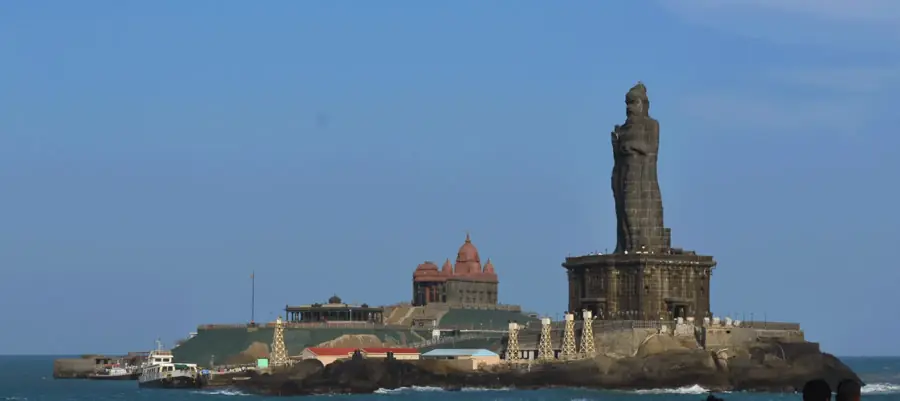 500 m offshore
Vivekananda Rock
Ferry to the Vivekananda Rock runs 8 am to 4 pm, ₹75 return. Why the 8 am boat saves you ninety minutes of queue, and what to see on the rock.
 500 m offshore
Glass Bridge
A 77-metre glass-floored bridge now links the Vivekananda Rock to the Thiruvalluvar Statue for about ₹40 extra, tripods and food banned on deck.
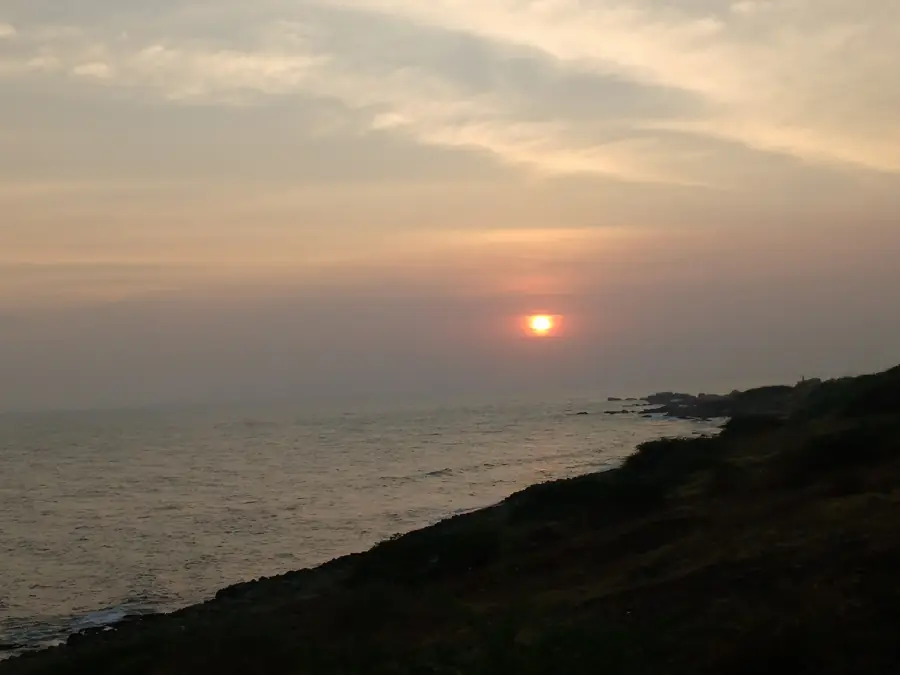 In town
Sunset Point
Kanyakumari is the only mainland point to watch sunrise and sunset over the sea from nearly one spot. Sunset Point is free — best 30 minutes before dusk.
Want Thiruvalluvar Statue at the right hour?
We know when the queue is short and when the light is good. One message and it is in your plan.