Eat the fish. Kanyakumari sits at a working fishing harbour, and a fish meals thali here, usually seer fish (vanjaram) or sardine (mathi) fried or in a red curry, served with rice, rasam and a vegetable side, is the one dish visitors consistently remember. Beyond that, the district’s food splits into two traditions: Tamil Nadar cooking in the east around the town itself, and a noticeably Kerala-influenced style further west toward Nagercoil and Thuckalay, where coconut, curry leaves and a lighter hand with chilli show up in ways that surprise people expecting straight Tamil food this far south.
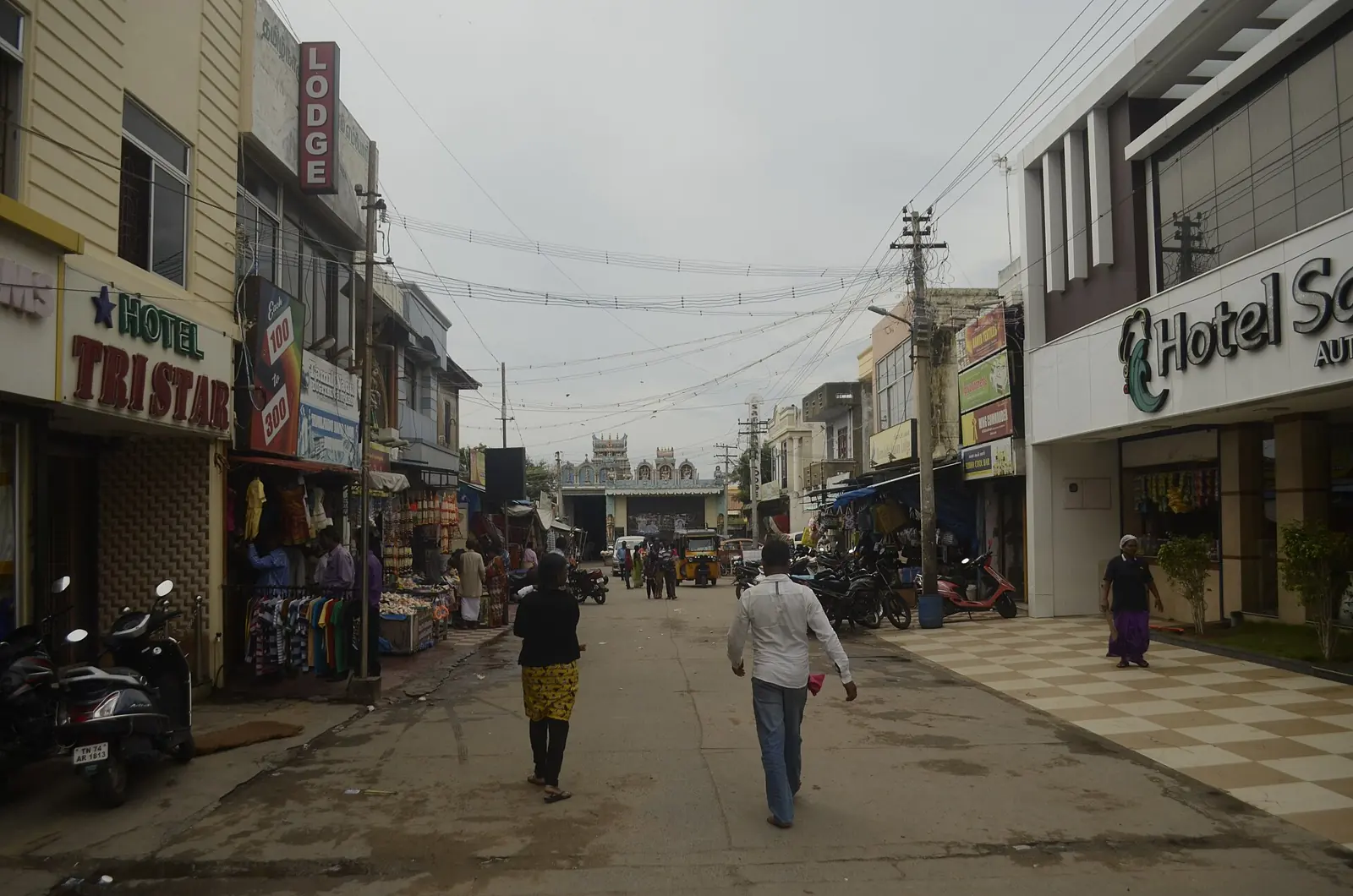
Sannathi Street and the lanes around the temple hold the town’s Nadar-run tea shops, small places that have been serving filter coffee, idli, pongal and vadai since well before the tourist trade arrived, and they remain the best value breakfast in town. Tender coconut stalls line the seafront and are worth stopping at more than once a day in the heat. Halwa, a Kanyakumari and Tirunelveli speciality, is sold in shops along the market street in dense blocks wrapped in ghee paper, and is the souvenir food to actually buy over shell-craft trinkets.
This guide covers what to order, where our drivers themselves eat, vegetarian and Jain options for pilgrim groups, and the hygiene points worth knowing before you eat at a stall rather than a restaurant.
The fish: what to order and where
Seer fish (vanjaram) fried in a dry masala or sardine (mathi) in a tamarind-and-chilli red curry are the two dishes to order first. A full fish meals thali, rice with two or three fish preparations, rasam, a vegetable curry and buttermilk, runs ₹200 to ₹350 at an ordinary town restaurant and considerably more at the seafront places aimed squarely at tourists. Prawns and crab appear on most menus too, priced by weight and worth checking before ordering, since rates move with the day’s catch.
The honest advice: the best fish in town is rarely at the restaurants with sea views. Two or three streets back, where fishing families and local workers eat, the fish is fresher and the price is a third lower, because these places turn over stock daily rather than holding it for a slower tourist trade. Ask your driver or hotel for the current best spot rather than trusting a seafront sign, since the good local places change over the years and rarely advertise.
Lunch, not dinner, is generally the better meal for fish here, since the morning catch is sold through by midday and some restaurants supplement the evening menu with frozen stock, particularly outside the main fishing season.
Nadar tea shops: the real breakfast
The Nadar community runs most of the small tea shops on Sannathi Street and around the market, serving the standard Tamil breakfast set: idli, pongal, vada, dosa and strong filter coffee, at ₹20 to ₹50 a plate, a fraction of what a hotel breakfast costs. These places open by 5:30 am, ahead of the sunrise crowd, and are genuinely where the town itself eats, not a version dressed up for visitors.
Look for the shops with a queue of locals rather than tourists at 7 am; that is the reliable sign of both freshness and price. Filter coffee here is usually strong and sweet by north Indian standards, served in the traditional tumbler-and-dabarah set; ask for “less sugar” if you want it milder, since the default is sweeter than most visitors expect.
Pongal, a soft rice-and-lentil dish tempered with pepper and cumin, is the better cold-weather breakfast choice in December and January mornings; idli and dosa work fine year-round. These tea shops also do a reasonable evening snack trade, bajji and bonda served hot around 4 to 5 pm, useful timing if you are killing time before the temple reopens or the sunset point fills up.
Kerala influence in the west of the district
Travel west toward Nagercoil, Thuckalay and Padmanabhapuram and the food genuinely changes character, a result of the district’s history as part of the former Travancore kingdom rather than a recent Kerala import. Meals here lean more on coconut, both grated fresh in vegetable stir-fries (thoran-style preparations) and as milk in curries, with curry leaves and mustard seed tempering appearing more consistently than in Tamil cooking further east.
Appam with a light vegetable stew, and puttu (steamed rice-flour cylinders) with kadala curry, both firmly Kerala dishes, show up on breakfast menus in Nagercoil in a way they rarely do in Kanyakumari town itself. Fish curry in this western belt is typically milder and more coconut-forward than the sharper tamarind-and-chilli style near the coast at Kanyakumari.
This is worth knowing if you are doing the hills day west of town, since lunch at Thirparappu or near Padmanabhapuram Palace is a genuinely different meal from lunch in Kanyakumari town that morning, not a repeat of the same Tamil meals-hotel menu. Try both; the contrast within a single small district is one of the more interesting things about eating your way through it, and it rarely gets mentioned in general guides to the region.
Halwa, tender coconut and other specific things to try
- Halwa: a dense, chewy sweet made from wheat, ghee and sugar, sold in blocks wrapped in ghee-stained paper along the market street near the temple. Kanyakumari and neighbouring Tirunelveli both claim the style; buy from a shop with visible turnover rather than one with dusty stacked boxes, since fresher halwa keeps its texture for a week or two, older stock turns hard.
- Tender coconut: sold from carts along the seafront and near the ferry queue, ₹40 to ₹60 depending on season and location, the single best way to manage the midday heat here. Ask for the water first, then the vendor will split it and scrape the soft flesh for you if you ask.
- Banana chips and jackfruit chips: a Kerala-adjacent snack sold in the market, worth buying here over the seafront stalls, where prices run higher for the same product.
- Filter coffee decoction: some tea shops sell bottled decoction to take away, a genuine souvenir for anyone who wants to make the same coffee at home.
Avoid pre-cut fruit sold from open carts in peak heat; whole tender coconut and packaged snacks are the safer choice for anyone with a sensitive stomach.
Vegetarian and Jain options for pilgrim groups
Pure-vegetarian meals hotels are common in Kanyakumari town, a reflection of the steady pilgrim trade the temple brings, and a full vegetarian thali, rice, sambar, rasam, two or three vegetable sides and curd, runs ₹120 to ₹180. These are a safe, reliable choice for temple groups who want food that matches the dietary expectations of the visit itself, not a compromise made for lack of other options.
Jain food specifically, without onion or garlic, is available at a smaller number of dedicated establishments rather than every vegetarian hotel; it is worth asking specifically for “Jain” preparation when booking a group meal in advance rather than assuming any vegetarian kitchen can accommodate it on request, since some smaller places use onion and garlic as a base for their sambar and will need advance notice to prepare a separate pot.
For large pilgrim groups, we generally recommend confirming the meal arrangement with a hotel or restaurant a day ahead rather than walking in as a group of twenty or more; the better vegetarian meals hotels can and do accommodate this, but need the lead time to have enough of each dish ready, particularly around lunch, the busiest single meal service of the day in town.
Where our drivers eat, and why that is a useful signal
Our drivers eat on the Nagercoil road rather than the seafront, at ordinary meals hotels that serve the local working crowd, truck drivers and bus crews rather than tourists. These places are cheaper, ₹80 to ₹150 for a full meal, and the food is typically fresher because the turnover is faster and the customer base has no patience for a mediocre plate.
This is a genuinely useful rule for any visitor: a restaurant with a steady queue of local drivers and workers at lunchtime is rarely a bad choice, regardless of how basic it looks from outside. The seafront restaurants aimed at visitors are not bad, but they charge 20 to 30 percent more for a similar standard of food, and the atmosphere, not the plate, is what you are paying the premium for.
If you are travelling with us and want to eat where the crew eats rather than the tourist strip, ask; drivers are generally happy to point you to their regular stop, and it is often within walking distance of the temple rather than requiring a special detour, since these places cluster along the main roads leading out of town rather than in some hidden location.
Hygiene notes worth knowing before you eat at a stall
Bottled or sealed water is the safe default everywhere in town; tap water, even at mid-range hotels, is not something we recommend drinking. Ice at seafront juice stalls is inconsistent in quality; if in doubt, ask for a drink without ice or choose whole tender coconut instead, which needs no ice to be refreshing.
Fried snacks from stalls with high turnover, visibly fresh oil and a queue of local customers are generally fine; the risk rises at quiet stalls where oil sits reused for longer between batches, a pattern that is genuinely hard to see from outside but worth being cautious about if a stall looks under-visited for the time of day.
Fish, in particular, should be eaten at lunch rather than late evening if you are being cautious, for the freshness reasons covered above rather than any general food-safety concern; well-cooked fish at any of the reputable meals hotels is safe and is, after all, the reason to come here for the food in the first place. Carry basic rehydration salts if you have a sensitive stomach and are travelling with children, more as a precaution for the heat than a reflection of any particular risk from the food itself.
Written by the Kanyakumari Tours & Travels team in Kanyakumari and re-checked on the ground every month. Spotted something that has changed? Tell us on WhatsApp and we will fix it.