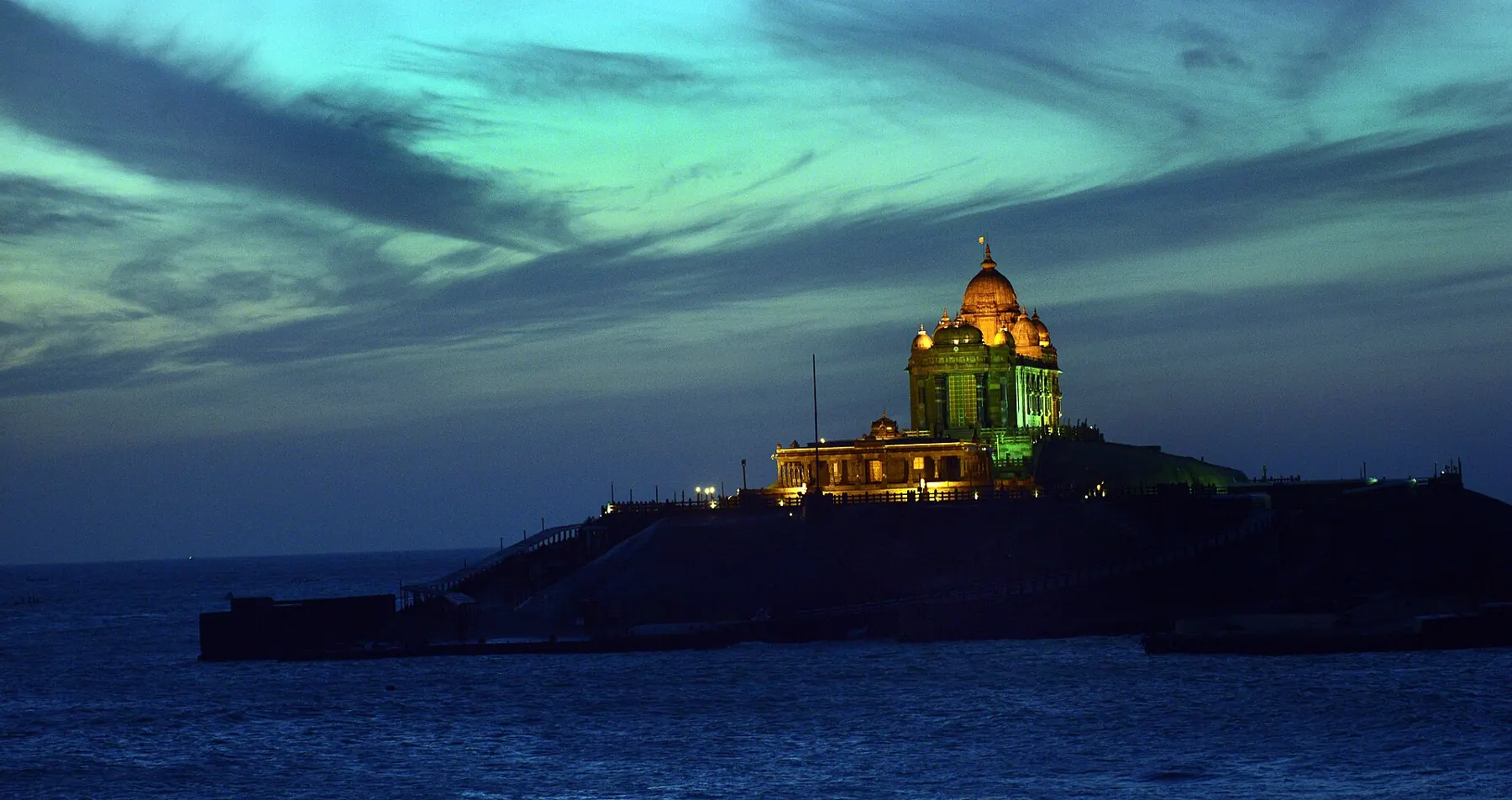
The temple that gives Kanyakumari its name
Kanyakumari, the place, is named after the goddess inside this temple — Kanya Kumari, the virgin goddess, worshipped here as Bhagavathy Amman or, locally, Kumari Amman. The shrine sits right at the tip of the mainland, close enough to the shore that the sound of the sea carries into the outer courtyard, and it is older than every other monument in town by a wide margin, with parts of the structure going back centuries before the rock memorials existed. Timings run in two blocks, roughly 4:30 am to 12:15 pm and again from 4 pm to 8:15 pm, with the temple closed to the public in the gap between, which catches out visitors who arrive at 2 pm expecting it to be open.
Two rules surprise first-time visitors more than anything else. Men must remove any upper garment before entering the inner areas, a rule enforced without exception regardless of who is asking. Cameras and phones are not allowed inside at all, not even switched off in a pocket, and there is a cloakroom-style counter near the entrance for exactly this reason. The idol wears a diamond nose ring that is the subject of the temple’s best-known local story, and the east-facing door — normally shut — is opened only on specific days in the calendar, which is worth timing a visit around if the story interests you.
The legend behind the nose ring
The story told locally, and repeated by most temple guides, is that the diamond nose ring on the goddess’s idol once shone brightly enough at night to be visible far out at sea, and that passing ships mistook the glow for a lighthouse and were wrecked on the rocks trying to steer toward it. The east-facing door of the sanctum was said to have been sealed after this, so that the light would no longer reach the water, and it is opened today only on select festival days rather than routinely. Whether the story is read as literal history or as a way of explaining an old architectural decision, it is one of the few pieces of temple lore in the district that ties a religious detail directly to the coastline outside. Ask any of the flower sellers near the entrance and you will get a version of the same account, sometimes with small variations about which ships or which century. It is worth five minutes of conversation before you go in, because nothing inside the temple itself will explain it to you — there are no plaques, and photography is not permitted to record it either.
What to wear and what to remove
Men are required to remove any shirt, vest or upper garment before entering the inner precincts, a rule that applies to every visitor regardless of nationality or how the request is phrased, and it is enforced at a checkpoint rather than left to conscience. A bare chest is expected; a vest worn underneath is not an acceptable substitute. Women are expected to dress modestly — a sari, churidar or long skirt with a covered top is normal, and shorts or sleeveless tops draw attention at the gate even though there is no printed dress code posted for women in the way there is for men. Footwear comes off well before the sanctum, at a shoe-stand near the outer wall, and the stone floor gets genuinely hot by mid-morning, so a midday visit in April or May means walking on hot granite in bare feet for a stretch longer than most visitors expect. Cloth is available for hire near the entrance for men who arrive without a spare garment to remove into, at a modest fixed price.
The camera rule and where to leave your phone
No cameras or phones are allowed anywhere past the outer gate, and this is checked, not merely requested. There is a paid cloakroom counter just inside the main entrance where bags, phones and cameras can be left for a small fee, and the queue there moves faster than the one for the sanctum itself, so it is rarely the bottleneck of the visit. The rule surprises visitors coming from the rock memorials, where photography is unrestricted, and more than a few people arrive at the inner gate mid-phone-call and have to backtrack to the counter. Bring cash rather than a card for the cloakroom fee, since there is no digital payment option at that particular counter. If you are travelling with a driver, ours will usually hold phones and valuables in the car rather than have you queue twice, which is worth asking for if you are short on time and only want a quick look at the sanctum.
Best time to visit and the crowd pattern
The temple is busiest in the hour after it reopens at 4 pm, when the day’s heat has broken and the evening puja crowd builds steadily until closing. Early morning, from the 4:30 am opening until about 7, is the quietest window, and it is also when the temple feels most like a place of worship rather than a stop on a sightseeing route, since most tour groups are still at the sunrise deck a few hundred metres away. The midday closure between roughly 12:15 and 4 catches out a lot of first-time visitors who assume a major temple stays open through the afternoon the way the rock memorials do; plan around it rather than against it, and use the gap for lunch or for Gandhi Mandapam and the shore memorials nearby, which stay open through the middle of the day. Weekends and festival dates bring a noticeably longer queue at the sanctum itself, even though the outer courtyard rarely feels crowded.
Getting there and combining it with the shore walk
The temple sits at the heart of the old town, a five-minute walk from the bus stand and close enough to the sunrise viewing deck that most visitors do both in the same short walk. There is no dedicated car park at the temple itself; our drivers drop at the same police barrier used for the sunrise crowd and the walk in from there is under five minutes on level ground. Combine it naturally with the shore road, which runs past the temple to Sunset Point in one direction and the ferry jetty in the other, so a single loop on foot covers the temple, both viewpoints and the ferry counter without needing the car at all. Allow thirty to forty-five minutes inside if you are not in a rush, more on a festival day when the sanctum queue lengthens. This is one of the few stops in Kanyakumari that rewards an unhurried visit rather than a quick tick on a list.
Six things our drivers tell every guest
- Men must remove any upper garment before the inner precincts — no exceptions, no vest substitute.
- Cameras and phones are banned past the outer gate; use the paid cloakroom counter near the entrance.
- The temple shuts between about 12:15 pm and 4 pm — plan lunch or Gandhi Mandapam for that gap.
- Carry cash for the cloakroom fee; there is no card payment at that counter.
- Early morning, before 7 am, is the quietest window and feels least like a tour stop.
- The stone floor gets hot by mid-morning in summer — a midday visit means bare feet on hot granite.
How to get here
Bhagavathy Amman Temple is in town, 5 min walk from the bus stand. It is included in our one-day sightseeing package and our 2 days 1 night package, or we can add it to any local sightseeing day by the hour.
Questions about Bhagavathy Amman Temple
Nearby places to add to the same day
 In town
Sunrise Point
Sunrise at Kanyakumari breaks between 6:05 and 6:35 depending on the month. Where to stand, when to arrive, and why the deck is full by 5:50 am.
 In town
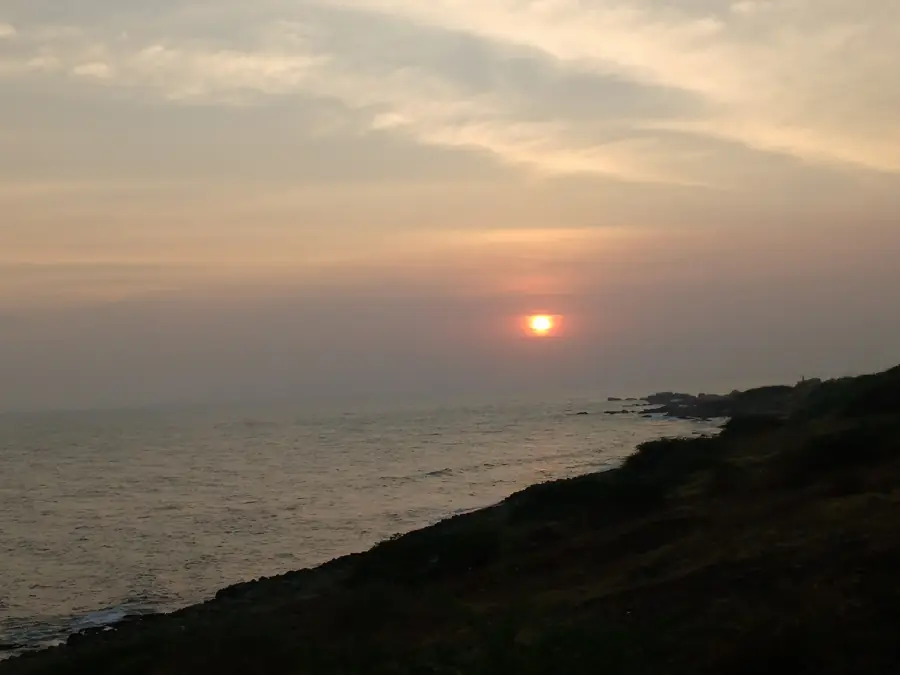
Sunset Point
Kanyakumari is the only mainland point to watch sunrise and sunset over the sea from nearly one spot. Sunset Point is free — best 30 minutes before dusk.
 500 m offshore
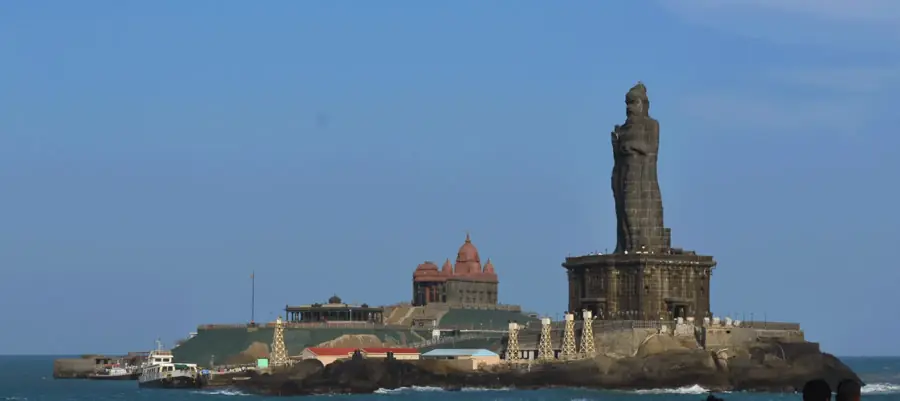
Vivekananda Rock
Ferry to the Vivekananda Rock runs 8 am to 4 pm, ₹75 return. Why the 8 am boat saves you ninety minutes of queue, and what to see on the rock.
Want Bhagavathy Amman Temple at the right hour?
We know when the queue is short and when the light is good. One message and it is in your plan.