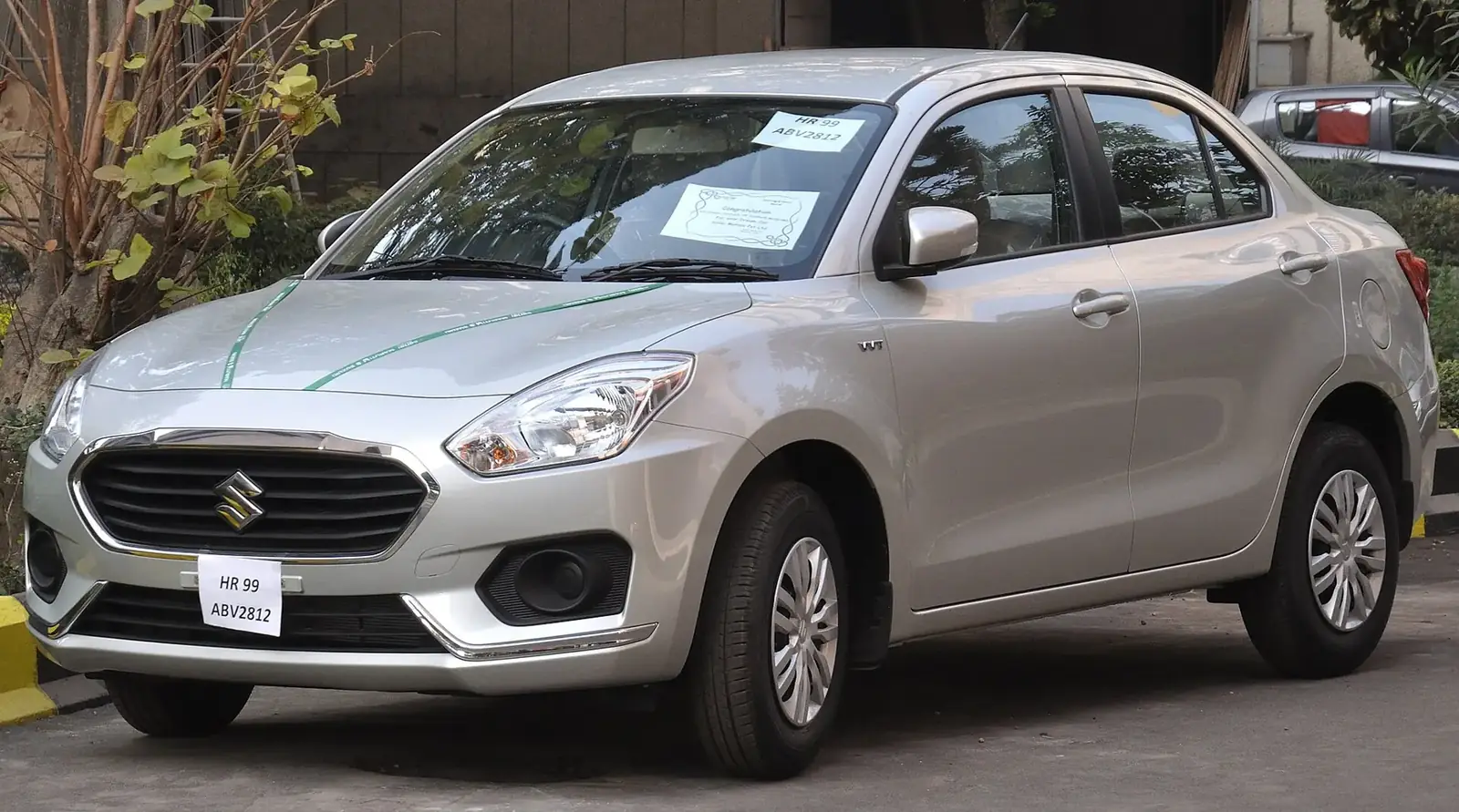
A couple can do one day in Kanyakumari for about ₹4,500 to ₹6,000 including a sedan, a mid-range hotel night, tickets and meals, or three days for about ₹14,000 to ₹19,000. A family of four should budget ₹7,000 to ₹9,500 for one day and ₹22,000 to ₹30,000 for three. A group of ten travelling together in a tempo traveller typically spends ₹1,800 to ₹2,400 per person per day, the group size bringing real savings on transport and rooms that individual travellers do not get.
These figures assume a mid-range trip: a clean AC hotel room rather than a budget lodge or a resort, a sedan or tempo traveller rather than an auto-rickshaw or a chauffeured Innova, and meals at ordinary restaurants rather than five-star dining or the cheapest roadside stall. We have built in the actual prices we quote, not marked-up guesswork, and included the two costs most first-time visitors forget: the ferry and glass-bridge tickets, and the difference in hotel rates between a normal week and a festival week.
Below is the full breakdown by traveller type and trip length, followed by where people typically overspend without noticing and where a genuine saving is available without cutting anything worthwhile from the trip.
One day, a couple: the full breakdown
| Item | Cost |
|---|---|
| Sedan, local day (up to 80 km) | ₹2,800 |
| Ferry tickets, return, two people | ₹150 |
| Glass bridge tickets, two people | ₹80 |
| Breakfast, lunch and dinner for two | ₹900–1,200 |
| Tea, snacks, water through the day | ₹200 |
| Shell-craft or small souvenirs | ₹0–500 |
| Total, day trip, no overnight stay | ₹4,100–4,900 |
This is the figure for a couple doing Kanyakumari as a single long day, arriving and leaving the same day, with no hotel cost. Add one hotel night, ₹2,500 to ₹4,000 for a clean AC double depending on season, and the realistic total for a one-night stay lands at ₹6,000 to ₹8,500 rather than the bare day-trip figure above.
The sedan rate already includes driver, fuel, tolls, parking and permits, so there is no surprise addition at the end of the day beyond what the driver eats and where he stays if it becomes a multi-day booking, both of which are also included in our quotes rather than billed separately. Hotels, entry tickets, ferry tickets and meals are always excluded from a vehicle quote here, which is standard across operators in the district, so build those four in separately rather than assuming a package price covers them.
Three days, a couple: the full breakdown
| Item | Cost |
|---|---|
| Sedan or Innova, 2 outstation days + 1 local day | ₹9,500–12,500 |
| Hotel, 2 nights, mid-range AC double | ₹5,000–8,000 |
| Ferry and glass bridge, two people | ₹230 |
| Padmanabhapuram Palace entry, two | ₹100 |
| Meals, 3 days, two people | ₹3,000–3,600 |
| Incidentals: water, tea, souvenirs | ₹500–1,000 |
| Total, 3 days, 2 nights, a couple | ₹18,330–25,930 |
The range above narrows to roughly ₹14,000 to ₹19,000 if you choose a sedan over an Innova, a simpler hotel over a sea-view room, and skip the palace’s guide fee. The single biggest lever on this total is the vehicle: a sedan at ₹12/km against an Innova at ₹18/km adds up quickly over the roughly 200 km a three-day loop covers once you include the hills.
Where this budget genuinely goes further than the same money at a bigger destination is the hills day; Thirparappu, Mathur and Padmanabhapuram together cost under ₹200 in entry fees for two people, since none of these sites charge anything close to what a major fort or palace elsewhere in India does. Pay for local trips on arrival; for a multi-day outstation booking like this one, the standard arrangement across the district is a 20 percent advance with the balance settled at the end, so there is no need to carry the full vehicle cost in cash from day one.
A family of four, one and three days
A family of four needs a bigger vehicle or two rooms, and the maths changes accordingly. For one day, an Innova Crysta at ₹4,200 for the local day covers the family comfortably rather than squeezing four into a sedan; add ferry tickets for four (around ₹300, with a child discount likely applying to at least one), the glass bridge (around ₹160), and meals for four (₹1,600 to ₹2,000 across the day). That totals roughly ₹6,300 to ₹6,700, or ₹9,000 to ₹9,500 including one hotel night in a family-sized or twin-double room.
For three days, the Innova for two outstation days and one local day runs ₹13,500 to ₹17,000; a family room or two connecting rooms for two nights runs ₹6,000 to ₹10,000 depending on season; tickets and entries for four across the rock, glass bridge and Padmanabhapuram add up to about ₹550; meals for four across three days run ₹4,800 to ₹5,600. The realistic total lands between ₹24,850 and ₹33,150, which we would round to the ₹22,000 to ₹30,000 range quoted above once you account for a family that skips the glass bridge or eats more modestly at lunch.
Families consistently save the most by booking a family room rather than two separate doubles, a difference of ₹800 to ₹1,500 a night at most mid-range hotels here.
A group of ten: where the real savings are
A group of ten travelling together changes the economics substantially, because a tempo traveller at ₹6,500 a day for local sightseeing, or roughly ₹24/km for outstation days, works out to well under ₹700 per person per day for transport, against ₹1,050 per person for the same distance split across three sedans. Ferry and entry tickets scale linearly with no group discount that we have seen, so those stay at the same per-person cost as smaller groups.
Hotels are where groups of this size see the second big saving: many mid-range properties in Kanyakumari offer a per-room rate for triple or quad occupancy that is only 20 to 30 percent above the double rate, meaning the per-person accommodation cost for a group willing to share three or four to a room drops sharply compared with a couple paying for a double alone.
Putting this together, a group of ten doing three days typically spends ₹18,000 to ₹24,000 in total for the tempo traveller across three days, ₹18,000 to ₹27,000 for shared rooms across two nights, tickets and entries around ₹2,300 for the whole group, and meals around ₹18,000 to ₹21,000 for ten people across three days. That comes to roughly ₹1,800 to ₹2,400 per person per day, a genuine saving over travelling in pairs, and the reason pilgrim groups and extended families consistently book as one unit rather than splitting into smaller cars.
Pilgrim groups and vegetarian food: how the budget shifts
Pilgrim groups and families travelling for temple visits have a slightly different cost pattern than a typical couple’s trip, mainly because meals are almost always pure vegetarian and the itinerary adds temple towns like Suchindram and, further out, Tiruchendur or Madurai, rather than the palace and the falls.
A pure-vegetarian meals hotel here charges ₹120 to ₹180 for a full thali, cheaper than an à la carte fish meal at ₹250 to ₹350, so a vegetarian group’s food line typically comes in 20 to 25 percent below the equivalent non-vegetarian budget in the tables above. Offset against that, pilgrim itineraries often add an extra temple town, which adds vehicle kilometres and, if it involves Tiruchendur or Rameswaram, a second outstation day.
For a group of ten doing the temple circuit rather than the standard hills loop, expect the transport line to run slightly higher than the ₹1,800 to ₹2,400 per-person figure above, closer to ₹2,200 to ₹2,800, because the distances covered are greater, while the food line runs lower. The two roughly cancel out, and pilgrim-circuit groups end up close to the same overall per-person cost as a leisure group, just distributed differently between the two line items.
Where people overspend without noticing
- Booking a sea-view room for a one-night stay. The premium is ₹800 to ₹1,500 a night, and if you are out from before sunrise until after sunset, as most one-day itineraries have you, you barely see the room in daylight. It is worth it for two or more nights, not for one.
- Not fixing the taxi rate in advance. Local unmetered taxis at the station or ferry point sometimes quote 30 to 50 percent above our standard local-day rate to visitors who have not checked a reference price first. Book ahead or ask your hotel for the going rate before agreeing to a fare.
- Buying the glass bridge ticket for young children who will not enjoy it. At ₹40 a head this seems small, but for a family of five with three children under eight, that is ₹200 for an experience some children find unsettling rather than exciting.
- Eating at seafront restaurants for every meal. Prices here run 20 to 30 percent above the same fish thali two streets back on Sannathi Street, for a view you can also get by walking there after eating.
- December walk-in bookings. Hotel rates can double for unbooked rooms in the last week of December; booking six weeks ahead avoids this entirely and is the single biggest saving available to anyone travelling in that window.
Where a genuine saving is available without cutting anything
Travelling June to September cuts hotel rates by 35 to 45 percent against the December to February peak, without reducing what you see, since the ferry, the temple and the drives are unaffected by season except on days when the sea is genuinely too rough to sail. A couple’s three-day budget in July can come in ₹3,000 to ₹5,000 lower than the same trip in January purely on the hotel line.
Choosing a sedan over an Innova for a couple or a small family of three saves ₹1,400 a day on the local rate and roughly ₹6/km on outstation days, a saving of ₹1,000 to ₹1,500 across a three-day loop, with no real loss of comfort for two adults and one child.
Eating one main meal a day at a straightforward vegetarian meals hotel rather than an à la carte restaurant, and treating the seafront places as a once-a-trip experience rather than a default, cuts the food line by close to a third across three days for very little sacrifice, since the meals-hotel food here is genuinely good rather than a compromise.
Finally, staying in Nagercoil rather than Kanyakumari town saves 20 to 30 percent on the same standard of room, at the cost of a 35-minute drive each morning; worth considering for a group or a longer stay, covered further in our where to stay guide.
Written by the Kanyakumari Tours & Travels team in Kanyakumari and re-checked on the ground every month. Spotted something that has changed? Tell us on WhatsApp and we will fix it.